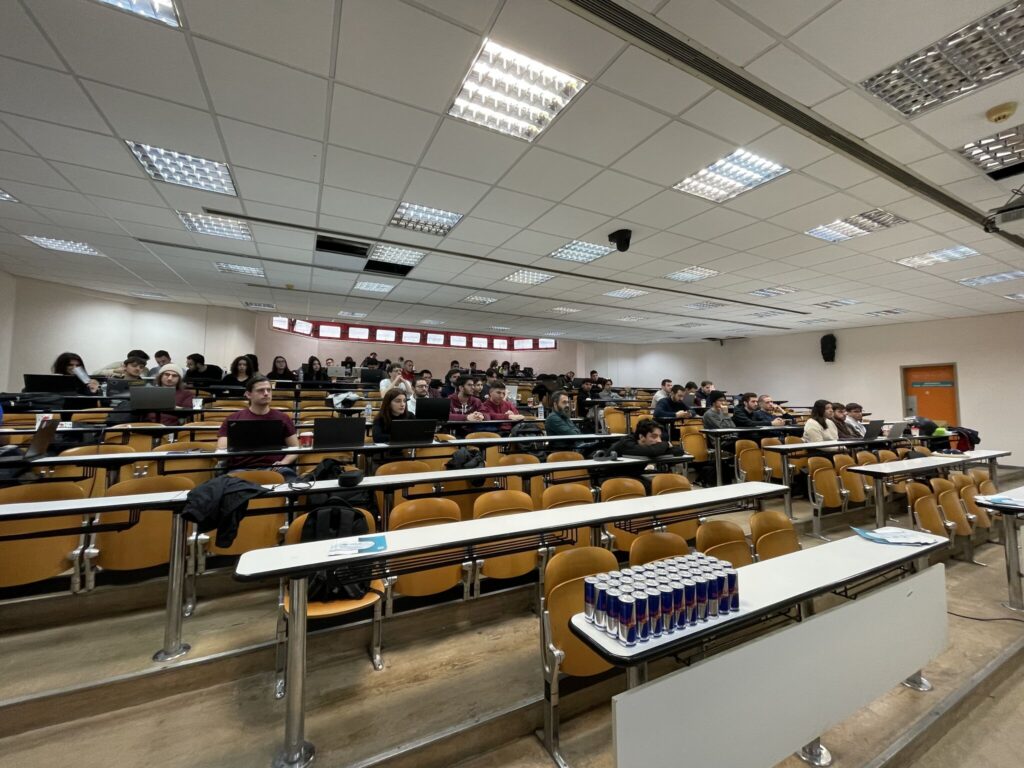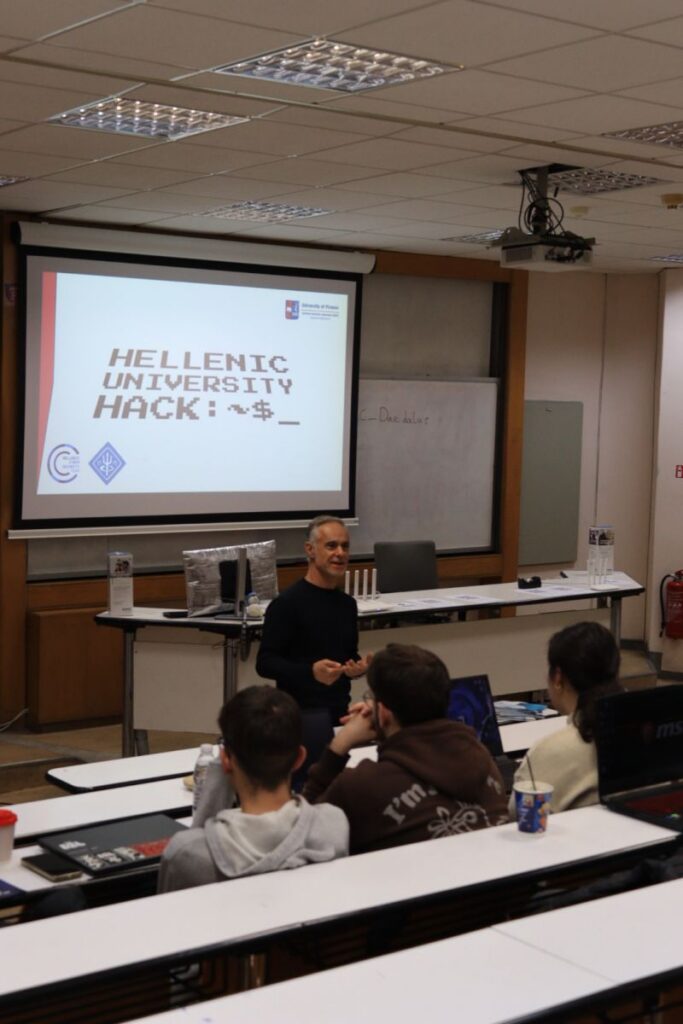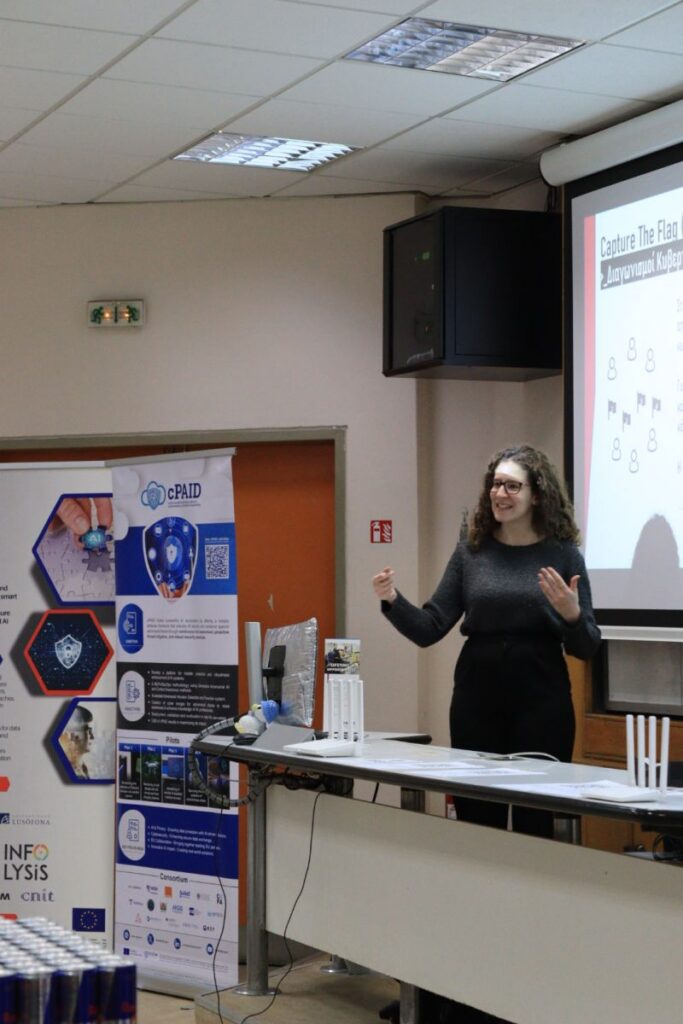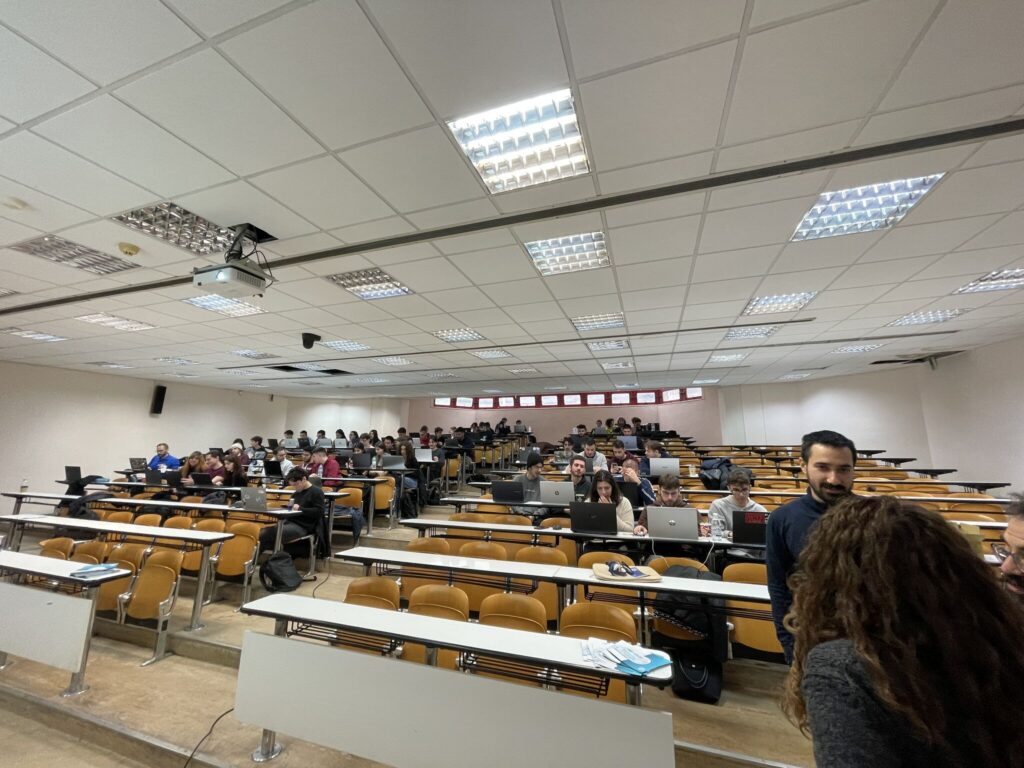
On 13 December 2025, the 2nd Hellenic University Hack (UniHack 2025) successfully brought together students from universities across Greece for a nationwide Capture The Flag (CTF) competition. Proudly sponsored by the cPAID project, the event provided an opportunity for students to strengthen their practical cybersecurity skills, tackle real-world security challenges, and foster collaboration within the academic cybersecurity community.
The competition attracted an impressive 358 students from 16 Greek universities, forming 103 teams. Over five hours, participants tackled 34 cybersecurity challenges across seven categories, including Web Exploitation, Cryptography, Digital Forensics, and Reverse Engineering.
The challenges were designed to test participants’ technical knowledge, problem-solving abilities, and teamwork. With more than 4,800 attempts recorded and a 25% success rate, the competition demonstrated both the complexity of the challenges and the enthusiasm of the participating students.
A Successful Event for Cybersecurity Education
UniHack 2025 highlighted the growing interest in cybersecurity education and the importance of hands-on learning opportunities for the next generation of cybersecurity professionals.
Key highlights of the competition included:
-
358 students representing 16 universities across Greece.
-
103 teams competing in the event.
-
34 CTF challenges covering seven cybersecurity categories.
-
5 hours of intensive cybersecurity problem-solving.
-
Over 4,800 attempts, with a 25% success rate.
Beyond the competition itself, UniHack 2025 contributed to strengthening cooperation among Greek universities, encouraging knowledge exchange, and promoting student engagement in cybersecurity research and innovation.
cPAID’s Contribution to Cybersecurity Education and Community Engagement
As a sponsor of UniHack 2025, the cPAID project demonstrated its commitment to supporting cybersecurity education, skills development, and engagement with the academic community.
The event aligns with cPAID’s broader objectives of advancing cybersecurity research, fostering collaboration, and raising awareness of emerging cybersecurity challenges.
By supporting initiatives such as UniHack, cPAID contributes to creating opportunities for students and future cybersecurity professionals to develop their technical capabilities, exchange knowledge, and engage with the wider European cybersecurity ecosystem.
Strong Collaboration Across the Cybersecurity Community
The competition was centrally organised by the Hellenic Team – European Cyber Security Challenge, with valuable support from the Systems Security Laboratory (SSL) at the University of Piraeus.
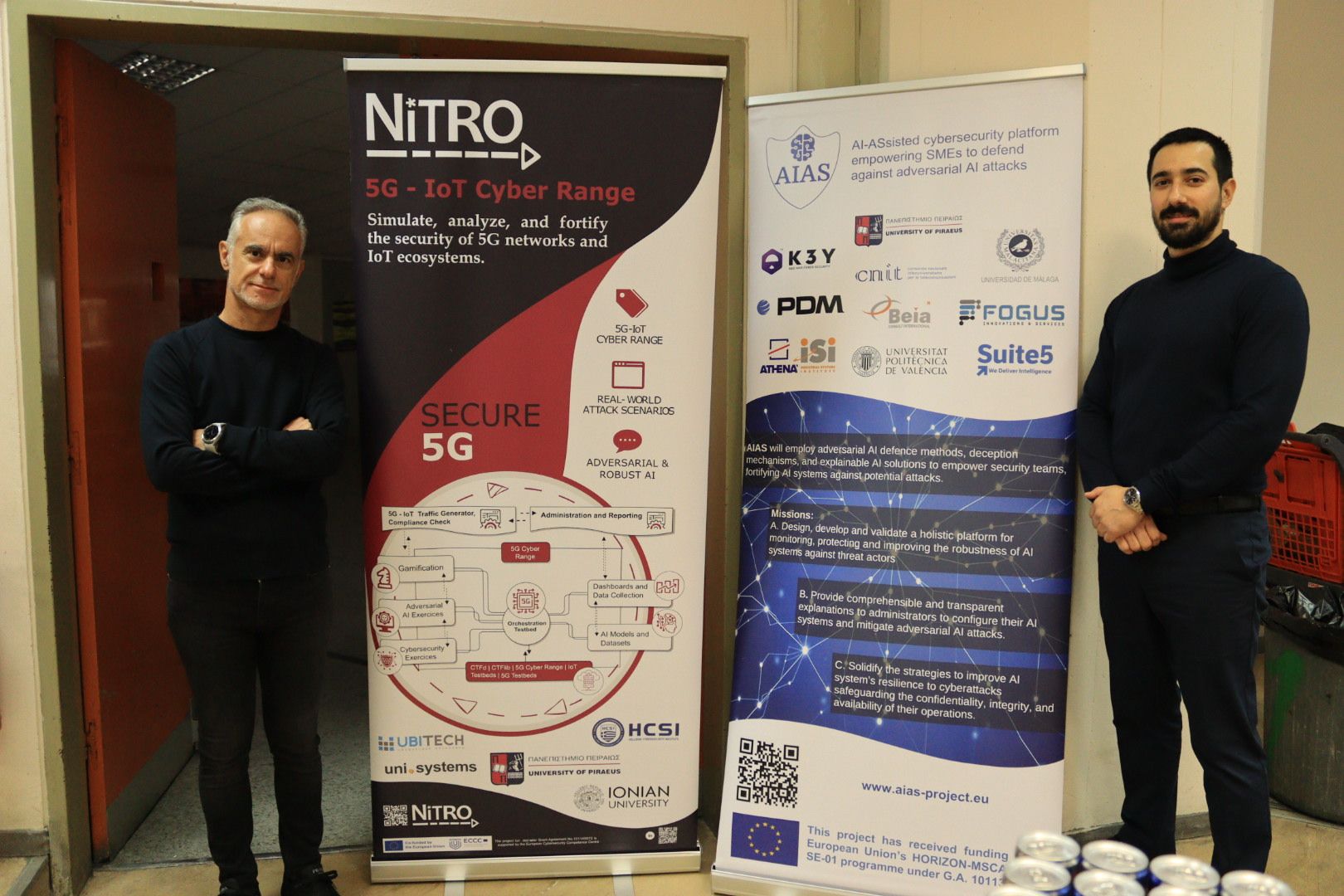
Local organisation at the University of Piraeus was supported by the IEEE University of Piraeus Student Branch, alongside several European research and innovation projects, including AIAS MSCA, ANTIDOTE MSCA, Nitro Digital Europe Action, ODEON, OASEES, EnTrust, O-CEI Horizon, aerOS, FAME, COBALT Horizon, CyberSuite, TRUSTEE, RESCALE Horizon EU, CYBERUNITY, CHRISS, SAFE-6G, SOVERIGN, and EXARCH-EU.
This broad participation reflects the importance of collaboration between universities, research initiatives, and cybersecurity communities in developing future cybersecurity talent.